ChatGPT Image Jan 9, 2026, 10_13_57 PM

BARC Technology Presentation on Drinking Water Purification and Wastewater Treatment at HSPCB

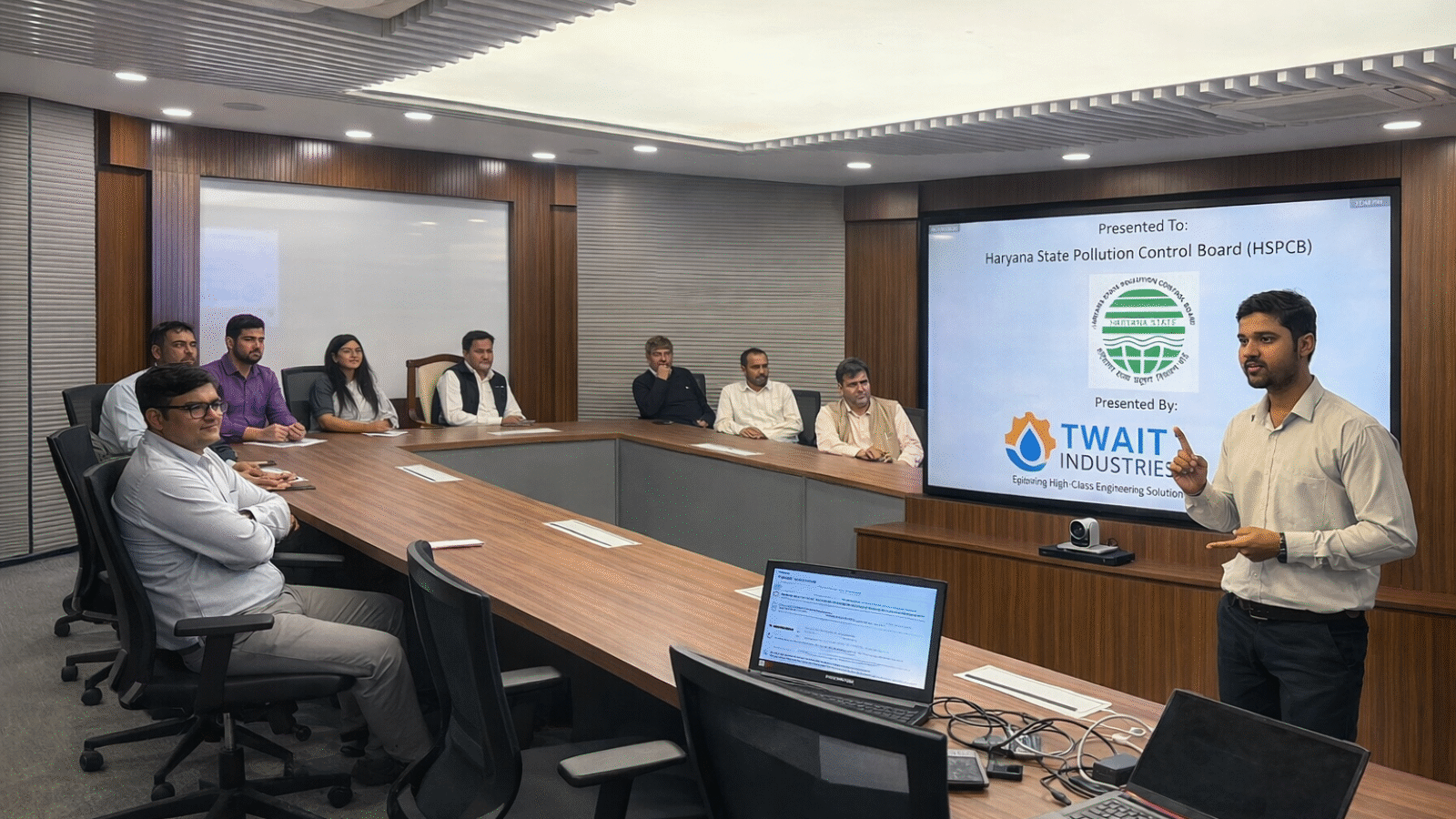
Twarit Industries recently conducted a detailed technical presentation on BARC-developed Drinking Water Purification and Wastewater Treatment Plant technologies at the Haryana State Pollution Control Board (HSPCB). The session marked an important step towards promoting advanced, indigenous, and sustainable water management solutions aligned with regulatory and environmental objectives.

The presentation was attended by senior officials, engineers, and technical experts from HSPCB. Twarit Industries showcased scientifically proven technologies developed by Bhabha Atomic Research Centre (BARC), emphasizing their practical implementation for municipal, industrial, and institutional applications across Haryana and other regions.

Technical Engagement with HSPCB

The session focused on demonstrating how BARC-backed technologies can help industries and urban bodies meet CPCB and State Pollution Control Board norms while ensuring long-term operational stability. Detailed discussions were held on influent variability, treatment efficiency, compliance parameters, and treated water reuse potential.

The interaction provided an opportunity to address real-world challenges faced by regulatory authorities, such as rising wastewater loads, limited land availability, and the need for cost-effective yet reliable treatment systems. The image from the event captures the live presentation and technical dialogue between Twarit Industries and HSPCB officials.

Drinking Water Purification Solutions

A major highlight of the presentation was the BARC-based Drinking Water Purification Technology, designed to effectively remove physical, chemical, and biological contaminants. These systems are capable of treating water with varying raw quality, including groundwater and surface water sources affected by turbidity, salinity, and dissolved impurities.

The technology ensures consistent potable water quality, reduced chemical usage, and optimized operational costs. Its modular design allows easy integration for urban supply schemes, rural drinking water projects, and industrial water requirements.

Advanced Wastewater Treatment Plant Technologies

Twarit Industries also presented advanced Wastewater and Sewage Treatment Plant (STP/ETP) solutions incorporating BARC-supported biological treatment processes. These technologies are designed for high organic load handling, stable performance under fluctuating flow conditions, and compact plant layouts with minimal footprint.

The systems offer improved sludge settleability, enhanced treatment efficiency, and suitability for water reuse applications such as gardening, flushing, and industrial process reuse. Such solutions play a critical role in achieving sustainable wastewater management and zero liquid discharge (ZLD) objectives.

Commitment to Sustainable and Indigenous Technologies

Through this presentation at HSPCB, Twarit Industries reinforced its commitment to promoting indigenous, research-backed technologies that support India’s environmental and water security goals. The company emphasized its role as a technology integrator, providing complete solutions from design and engineering to installation, commissioning, and operation & maintenance.

About Twarit Industries

Twarit Industries is a leading provider of Drinking Water Treatment Plants, Wastewater and Sewage Treatment Plants, and advanced BARC-based treatment solutions. With a strong focus on regulatory compliance, innovation, and sustainability, the company continues to collaborate with government bodies, research institutions, and industries across India to deliver efficient and future-ready water infrastructure.
alwww

Empowering India with Clean Water: Faculty of Law Hosts Water Purification Tech Showcase in Collaboration with BARC

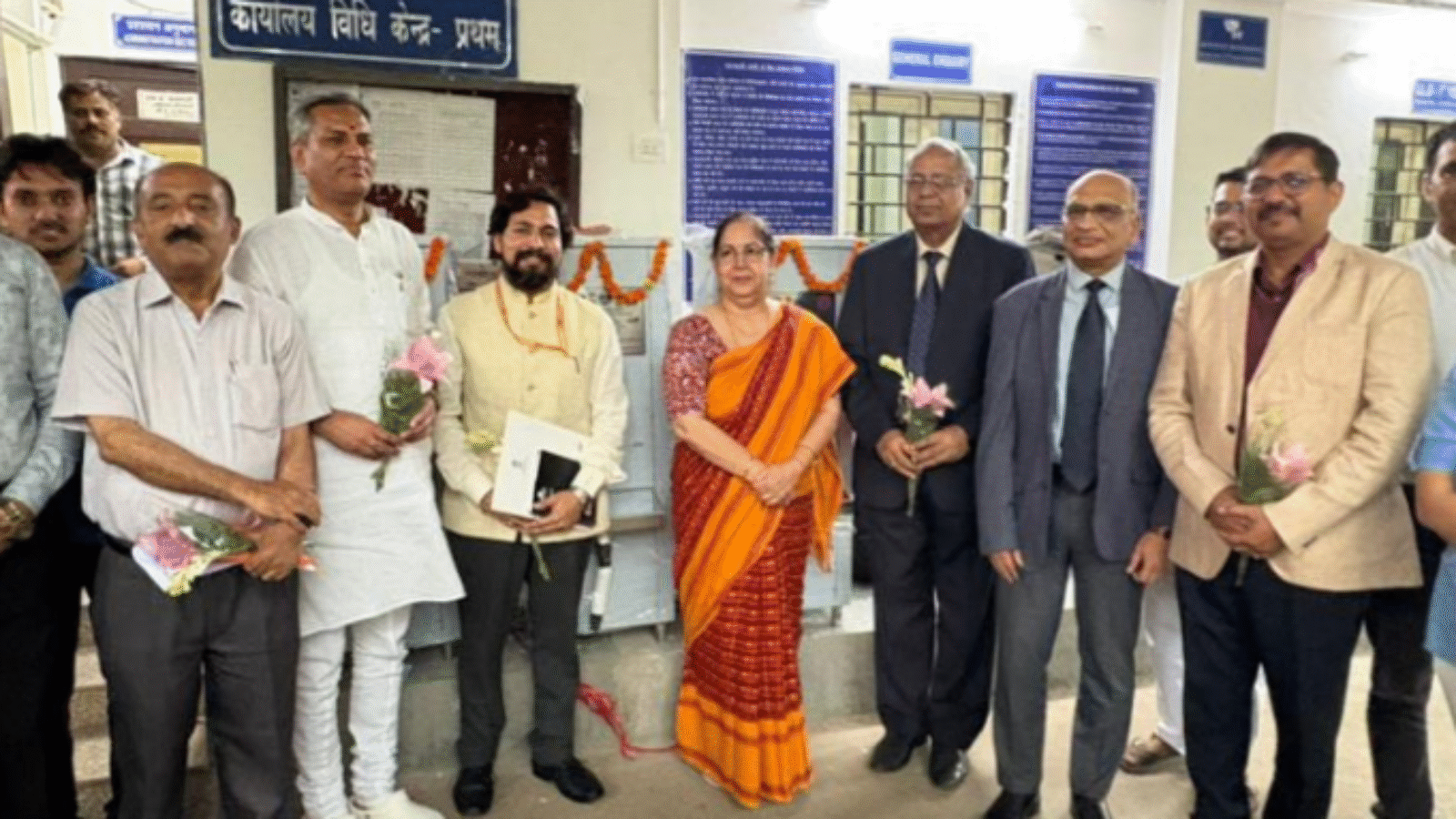
The Faculty of Law, University of Delhi, took a commendable step toward addressing one of India’s most pressing challenges—access to clean and safe water—by hosting a high-profile event on Polysulfone-Based Ultrafiltration Membrane Technology developed by the Bhabha Atomic Research Centre (BARC), under the Department of Atomic Energy, Government of India.

This groundbreaking Water Purification Unit is an innovation that aligns with the vision of Prime Minister Narendra Modi’s “Paani Bachao Sankalp Yojana,” aimed at ensuring clean drinking water for every citizen. The event brought together a distinguished panel of policymakers, legal luminaries, and technical experts, fostering a unique interdisciplinary dialogue around sustainable water solutions.

Distinguished Guests:

  • Dr. Justice Bidyut Ranjan Sarangi, Member of NHRC, brought a strong human rights perspective to the importance of water access.
  • Justice Dr. Sudhir Kumar Jain, Member of the National Consumer Disputes Redressal Commission, emphasized consumer safety and legal assurance in public utilities.
  • Dr. Afroz Ahmad, Member of NGT, provided critical insight into environmental governance and sustainable development.
  • Ms. Debashree Mukherjee, Secretary (DoWR, RD & GR), Ministry of Jal Shakti, GoI, offered policy-level insights on national water resource management.
  • Dr. Anju Vali Tikoo, Dean, Faculty of Law, warmly welcomed guests and reiterated the university’s commitment to environmental justice.
  • Shri Gursharan Rai Bansal, CGM & CSMO, IPPB, Govt. of India, added financial perspectives to technology deployment at scale.
  • Mr. Jeevakant Jha, Editor of Nadi Samvad, bridged the gap between grassroots activism and policy.
  • Dr. Shikha Kamboj, Teacher Coordinator and Convenor of LAS LC-2, emphasized the role of youth and academia in nation-building.

The event was successfully coordinated by the Student Coordinators from LAS LC-2 Team and the North East Society, showcasing the energy and commitment of future legal professionals toward water conservation and technological innovation.


Why This Matters

India faces a water crisis that affects millions. The deployment of Ultrafiltration Membrane Technology using Polysulfone is not just a scientific breakthrough—it’s a public service solution. BARC’s innovation stands as a testament to the power of science and government collaboration in solving real-world challenges.

A Step Toward Sustainable Futures

This event wasn’t just a demonstration of technology—it was a call to action. It brought law, policy, science, and citizen responsibility under one roof. The Faculty of Law’s leadership in hosting such a progressive initiative reflects the evolving role of educational institutions in societal transformation.


Stay tuned for more such initiatives where law meets science for a better, sustainable India.

WhatsApp Image 2025-01-19 at 15.30.01_664e6668

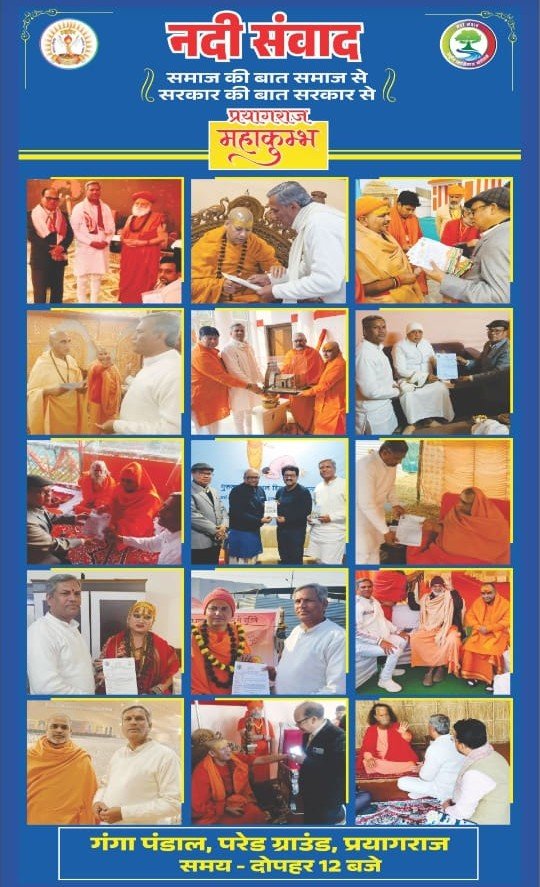
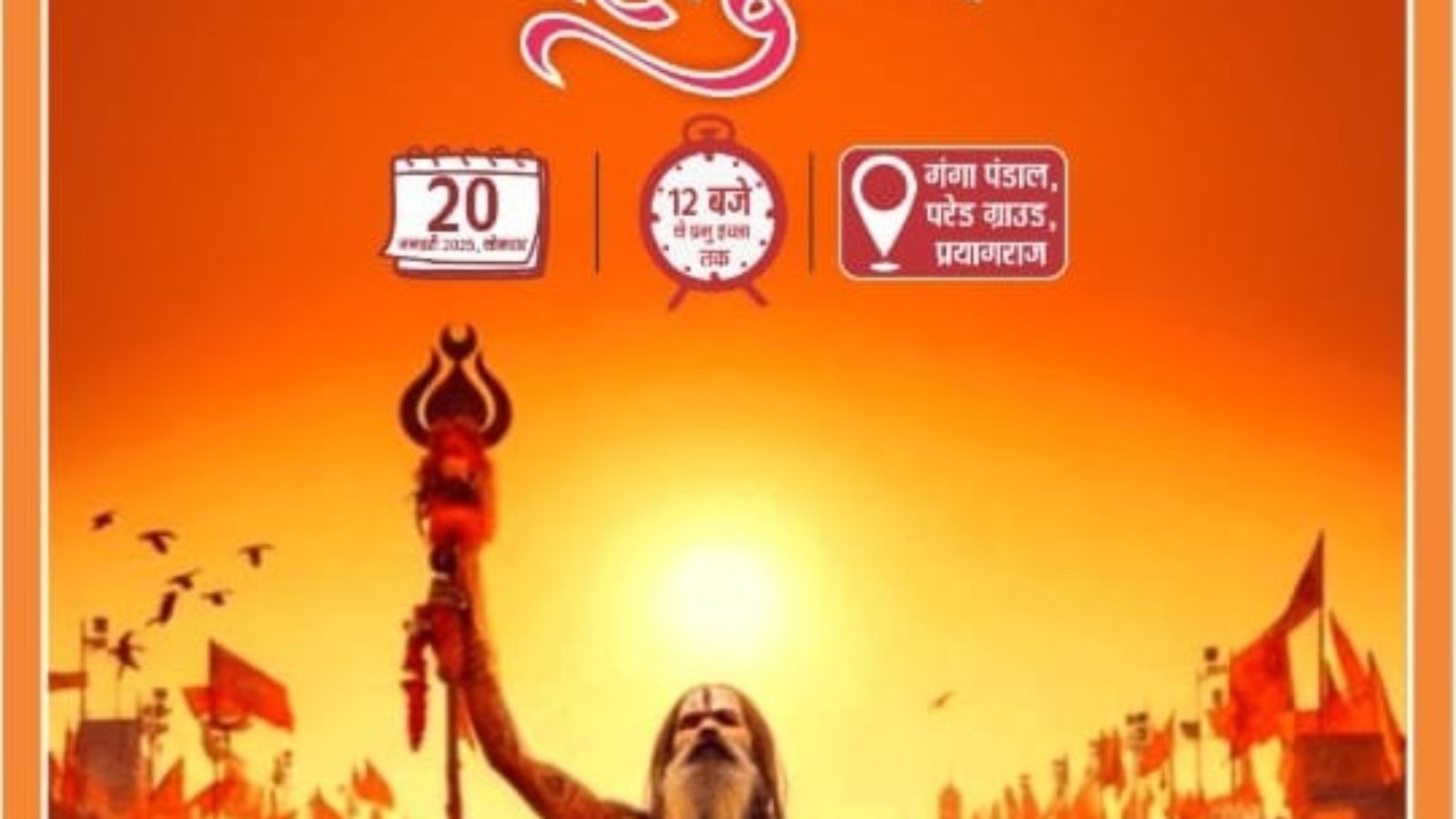
“नदी संवाद – महाकुंभ 2025” प्रयागराज

“नदी बचाओ, संस्कृति बचाओ” आंदोलन का सार्थक और प्रभावशाली प्रयास

🕉️ प्रस्तावना

भारत में नदियाँ केवल जल स्रोत नहीं, बल्कि आस्था, संस्कृति और सभ्यता की आधारशिला हैं। गंगा, यमुना जैसी नदियाँ हमारी आध्यात्मिक चेतना की संवाहक हैं। किंतु आज, औद्योगीकरण, शहरीकरण और पर्यावरणीय उपेक्षा के कारण ये नदियाँ संकट में हैं।
इन्हीं परिस्थितियों के मद्देनजर 20 जनवरी 2025 को प्रयागराज में आयोजित हुआ —

👉 “नदी संवाद – महाकुंभ”,

एक ऐसा ऐतिहासिक आयोजन जो न केवल धार्मिक श्रद्धा का संगम था, बल्कि पर्यावरणीय चेतना का भी महायज्ञ बन गया।

🎯 आयोजन का उद्देश्य

“मानो तो गंगा माँ हैं, न मानो तो बहता हुआ पानी।”
— इस भाव को जनमानस तक पहुँचाना

इस कार्यक्रम का प्रमुख उद्देश्य था:

  • नदियों को आध्यात्मिक दृष्टिकोण और विज्ञानिक उपायों के सहारे संरक्षित करना
  • समाज और सरकार के बीच संवाद स्थापित कर सांस्कृतिक जिम्मेदारी को जागृत करना
  • “नदी बचाओ, जीवन बचाओ” संदेश को जन-जन तक पहुँचाना
  • युवाओं, सामाजिक संगठनों और धार्मिक संस्थानों को एकजुट करना

🧘‍♂️ प्रमुख उपस्थिति एवं संवाद

कार्यक्रम में देशभर के संत-महात्मा, धार्मिक गुरुओं, जल योद्धाओं, पर्यावरणविदों और सामाजिक संगठनों की उपस्थिति रही।
सभी ने अपने अनुभव, विचार एवं सुझाव साझा किए कि कैसे हम नदियों को पुनर्जीवित कर सकते हैं।

💬 मुख्य संदेशों में शामिल थे:

  • “गंगा हमारी माँ है — उसका शुद्ध रहना राष्ट्र की शुद्धता है।”
  • “प्रशासनिक योजनाओं से अधिक ज़रूरी है सामाजिक संकल्प।”
  • “हर नागरिक को अपने हिस्से की गंगा की रक्षा करनी चाहिए।”

🧩 विशेष आयोजन और गतिविधियाँ

🕯️ संत सम्मेलन:

सभी संतों ने यह स्पष्ट किया कि जल संरक्षण एक धार्मिक दायित्व है और धर्म की रक्षा, प्रकृति की रक्षा से जुड़ी हुई है।

📜 ज्ञापन भेंट:

कार्यक्रम संयोजकों द्वारा विभिन्न संतों को स्मरण-पत्र व योजनाएं प्रदान की गईं और उनसे सहयोग का अनुरोध किया गया।


👥 आयोजक मंडल

🎤 कार्यक्रम संयोजक:

🔸 श्री जुगलकिशोर तिवारी जी
जिनके नेतृत्व में यह आयोजन इतने बड़े स्तर पर सफलतापूर्वक आयोजित हुआ।

📢 संवाद संयोजक:

🔸 श्री जीवकांत झा जी
जिन्होंने समाज और सरकार के बीच सकारात्मक संवाद का पुल निर्मित किया।


🌐 हमारी भूमिका (Twarit Industries)

हम एक ऐसे दौर में जी रहे हैं जहाँ तकनीकी प्रगति के साथ-साथ पर्यावरण की रक्षा भी आवश्यक है।
Twarit Industries न केवल जल शुद्धिकरण और अपशिष्ट प्रबंधन तकनीकों में अग्रणी है, बल्कि ऐसे सामाजिक एवं सांस्कृतिक प्रयासों में भी सहभागी है जो जल संरक्षण और सतत विकास को बढ़ावा देते हैं।

हमारे लिए नदी केवल जलधारा नहीं, संवेदना और संस्कृति की धारा है। ऐसे आयोजनों के माध्यम से हम चाहते हैं कि समाज नदी संरक्षण को मात्र सरकारी काम न माने, बल्कि उसे स्वयं का धर्म माने।


📣 आपसे अनुरोध

आइए हम सभी मिलकर यह संकल्प लें:

  • हम अपनी नदियों को प्रदूषण मुक्त करेंगे।
  • जल स्रोतों का सम्मान करेंगे।
  • सांस्कृतिक मूल्यों की रक्षा करेंगे।
  • हर संभव प्रयास से जल संकट की दिशा में सकारात्मक कदम उठाएंगे।

🙏 समापन संदेश

नदी संवाद महाकुंभ 2025 एक प्रेरणादायक पहल है जिसने यह सिद्ध किया कि जब समाज और संत एक साथ आते हैं, तब परिवर्तन निश्चित होता है।
यह कार्यक्रम एक आंदोलन की शुरुआत है — जिसमें गंगा को बचाने के लिए हर भारतवासी को योगदान देना है।

🌊 क्योंकि गंगा बचेगी, तो संस्कृति बचेगी — और संस्कृति बचेगी, तो भारत बचेगा।

blog

Empowering Water Sustainability: Launch of Polysulfone-Based Water Purification Unit at Delhi University

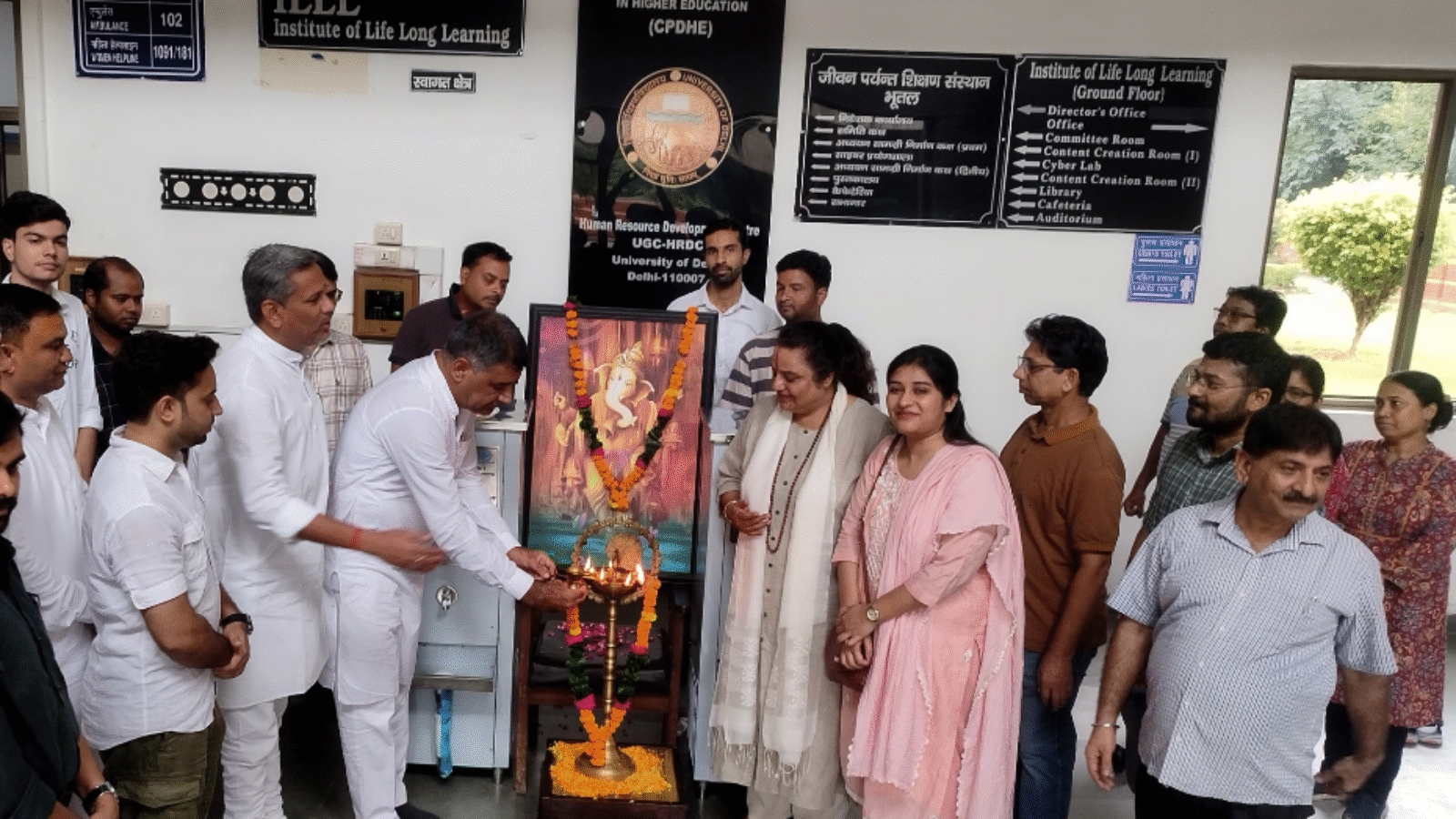
In a remarkable step toward clean water access and sustainable environmental practices, the Centre for Professional Development in Higher Education (CPDHE), under the Malaviya Mission Teacher Training Centre (UGC-MM-TTC), University of Delhi, has inaugurated a Water Purification Unit based on Polysulfone-Based Ultrafiltration Membrane Technology.

This innovative initiative, developed by the Bhabha Atomic Research Center (BARC) under the Department of Atomic Energy, Government of India, aligns with the national commitment to water conservation inspired by the vision of Hon’ble Prime Minister Shri Narendra Modi under the “Pani Bachao Sankalp Yojana.”


What Makes This Project Special?

  • 💧 Advanced Technology: The unit employs Polysulfone-Based Ultrafiltration Membranes, known for high performance in removing bacteria, viruses, and suspended solids without the need for chemicals or electricity.
  • 🔬 Scientific Backing: Developed by BARC, a premier institution in atomic research and applied sciences.
  • 🏫 Educational Outreach: Hosted within the University of Delhi, the initiative not only serves water purification needs but also acts as a live demonstration for students and educators involved in environmental science and technology.

Voices Behind the Vision

The inauguration featured contributions from several dignitaries and experts:

  • Sh. Raj Kumar Bhatia, M.L.A., Delhi Vidhan Sabha, lent political support and emphasized the importance of localized solutions for water safety.
  • Sh. Jeevkant Jha, a leading figure in public advocacy and water awareness, represented the “Nadi Samvad” campaign, focusing on river conservation and sustainable practices.
  • Prof. Geeta Singh, Director of CPDHE and UGC-MM-TTC, played a key role in integrating this initiative with teacher training and capacity building.

Impact & Future Plans

This water purification unit not only addresses the immediate need for clean drinking water but also promotes awareness about sustainable water management across educational institutions. Future plans may include replicating this model in other universities and schools to build a network of decentralized, low-maintenance, energy-efficient water treatment systems.


A Step Toward “Water for All”

In line with the Government of India’s mission for clean water access and environmental resilience, this unit stands as a symbol of scientific innovation, educational empowerment, and civic responsibility.

By bridging the gap between research institutions like BARC and the educational community, we are moving closer to a future where every drop is treated, reused, and respected.