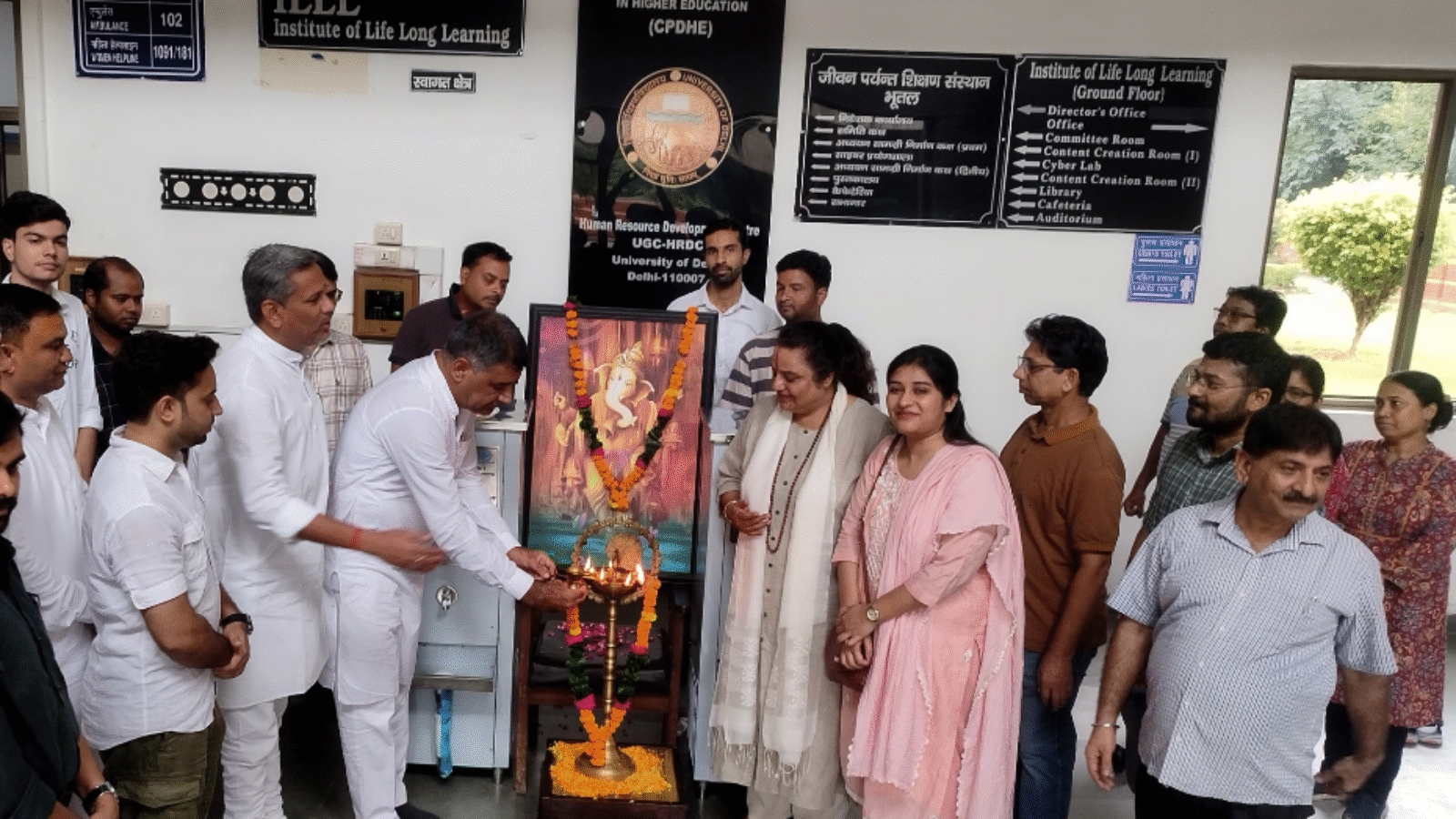
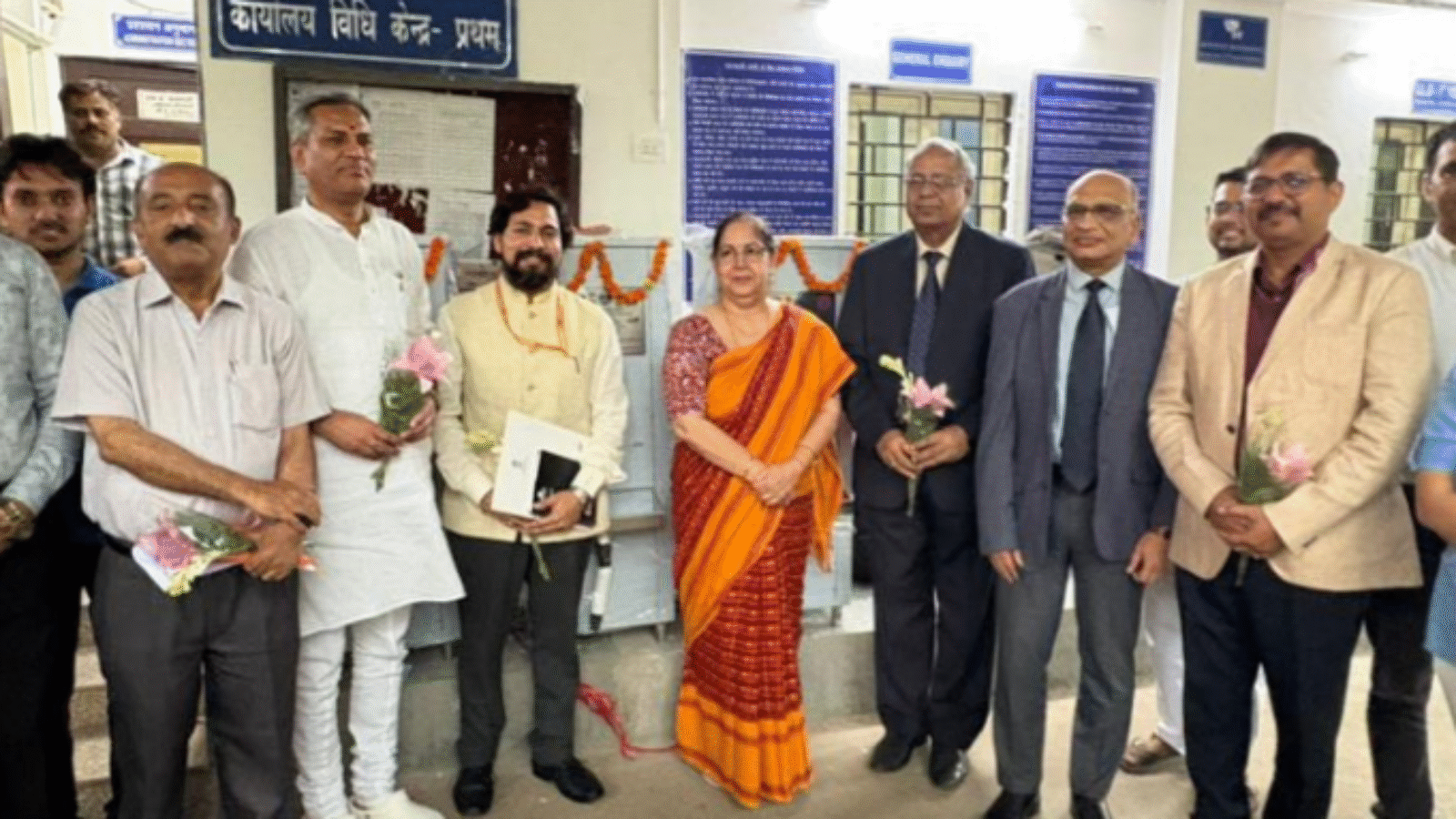
The Faculty of Law, University of Delhi, took a commendable step toward addressing one of India’s most pressing challenges—access to clean and safe water—by hosting a high-profile event on Polysulfone-Based Ultrafiltration Membrane Technology developed by the Bhabha Atomic Research Centre (BARC), under the Department of Atomic Energy, Government of India.
This groundbreaking Water Purification Unit is an innovation that aligns with the vision of Prime Minister Narendra Modi’s “Paani Bachao Sankalp Yojana,” aimed at ensuring clean drinking water for every citizen. The event brought together a distinguished panel of policymakers, legal luminaries, and technical experts, fostering a unique interdisciplinary dialogue around sustainable water solutions.
Distinguished Guests:
- Dr. Justice Bidyut Ranjan Sarangi, Member of NHRC, brought a strong human rights perspective to the importance of water access.
- Justice Dr. Sudhir Kumar Jain, Member of the National Consumer Disputes Redressal Commission, emphasized consumer safety and legal assurance in public utilities.
- Dr. Afroz Ahmad, Member of NGT, provided critical insight into environmental governance and sustainable development.
- Ms. Debashree Mukherjee, Secretary (DoWR, RD & GR), Ministry of Jal Shakti, GoI, offered policy-level insights on national water resource management.
- Dr. Anju Vali Tikoo, Dean, Faculty of Law, warmly welcomed guests and reiterated the university’s commitment to environmental justice.
- Shri Gursharan Rai Bansal, CGM & CSMO, IPPB, Govt. of India, added financial perspectives to technology deployment at scale.
- Mr. Jeevakant Jha, Editor of Nadi Samvad, bridged the gap between grassroots activism and policy.
- Dr. Shikha Kamboj, Teacher Coordinator and Convenor of LAS LC-2, emphasized the role of youth and academia in nation-building.
The event was successfully coordinated by the Student Coordinators from LAS LC-2 Team and the North East Society, showcasing the energy and commitment of future legal professionals toward water conservation and technological innovation.
Why This Matters
India faces a water crisis that affects millions. The deployment of Ultrafiltration Membrane Technology using Polysulfone is not just a scientific breakthrough—it’s a public service solution. BARC’s innovation stands as a testament to the power of science and government collaboration in solving real-world challenges.
A Step Toward Sustainable Futures
This event wasn’t just a demonstration of technology—it was a call to action. It brought law, policy, science, and citizen responsibility under one roof. The Faculty of Law’s leadership in hosting such a progressive initiative reflects the evolving role of educational institutions in societal transformation.
Stay tuned for more such initiatives where law meets science for a better, sustainable India.